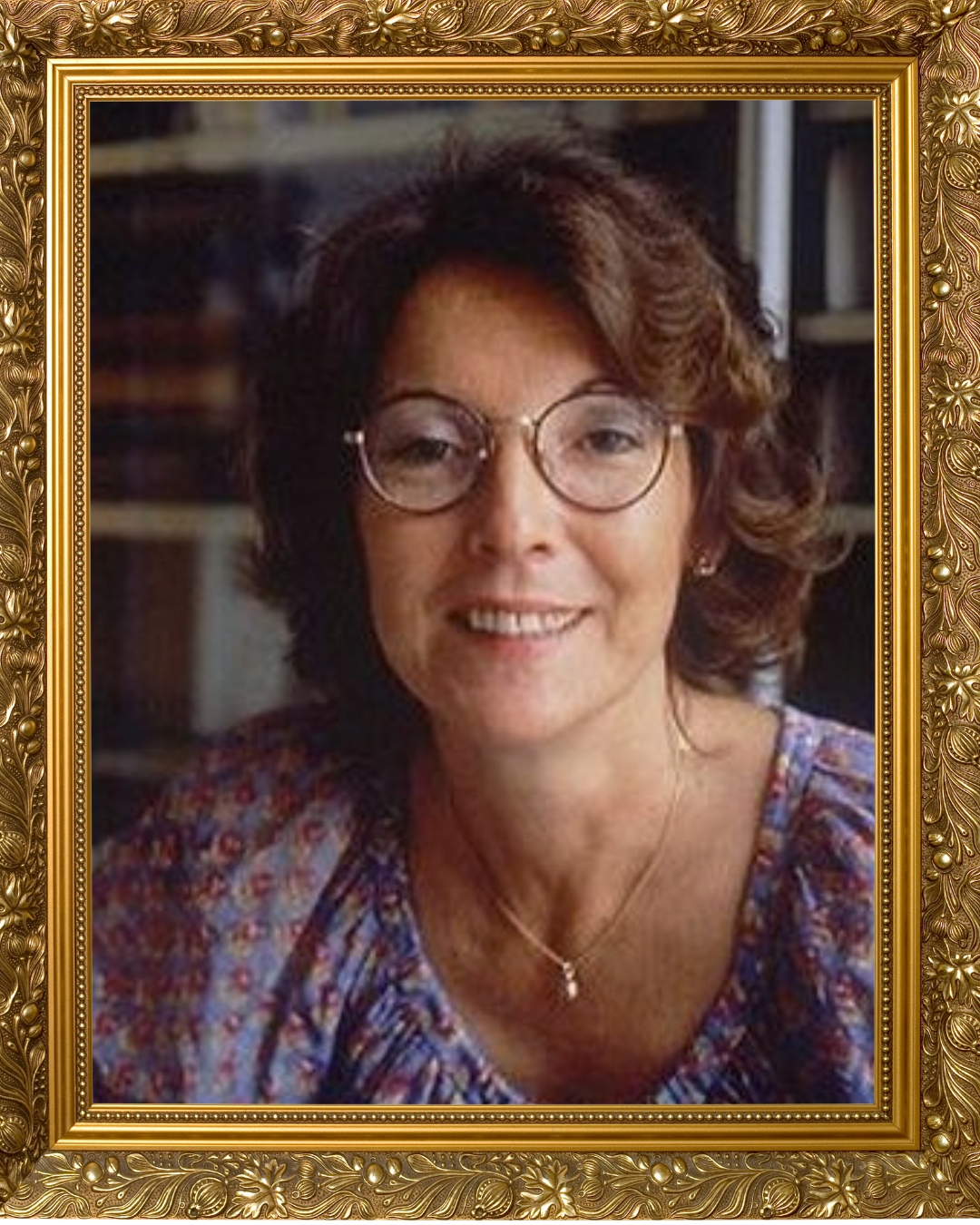
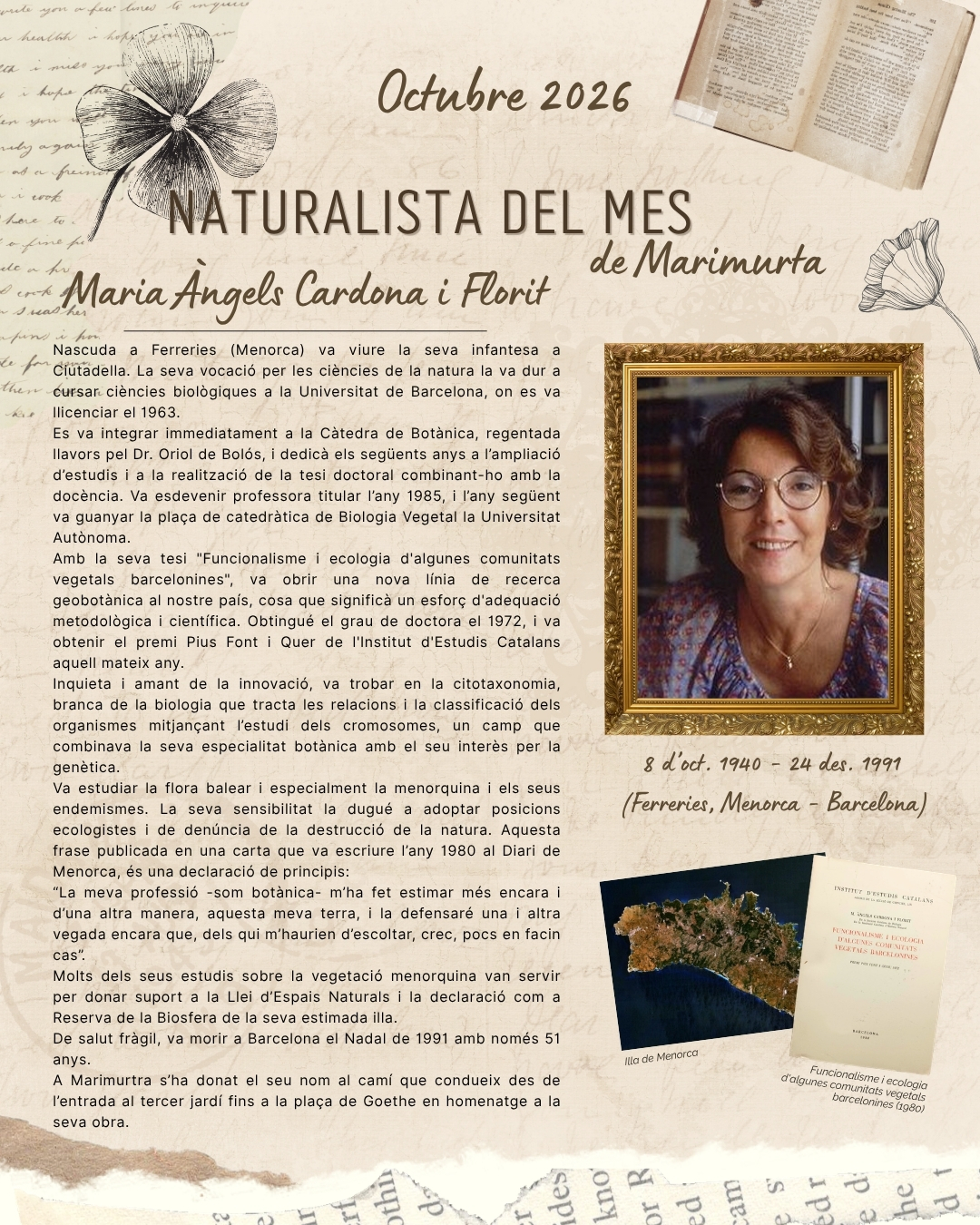
Born in the Menorcan town of Ferreries, she spent her childhood in Ciutadella. Her vocation for the natural sciences led her to study Biological Sciences at the University of Barcelona, where she graduated in 1963.
She immediately joined the Chair of Botany, then headed by Dr Oriol de Bolòs, and devoted the following years to further study and the preparation of her doctoral thesis, while also teaching. In 1985, she became a tenured university lecturer, and the following year she secured a professorship in Plant Biology at the Autonomous University of Barcelona. This position had previously been held by another prominent woman in Catalan science, Dr Creu Casas i Sicart, a specialist in the study of mosses.
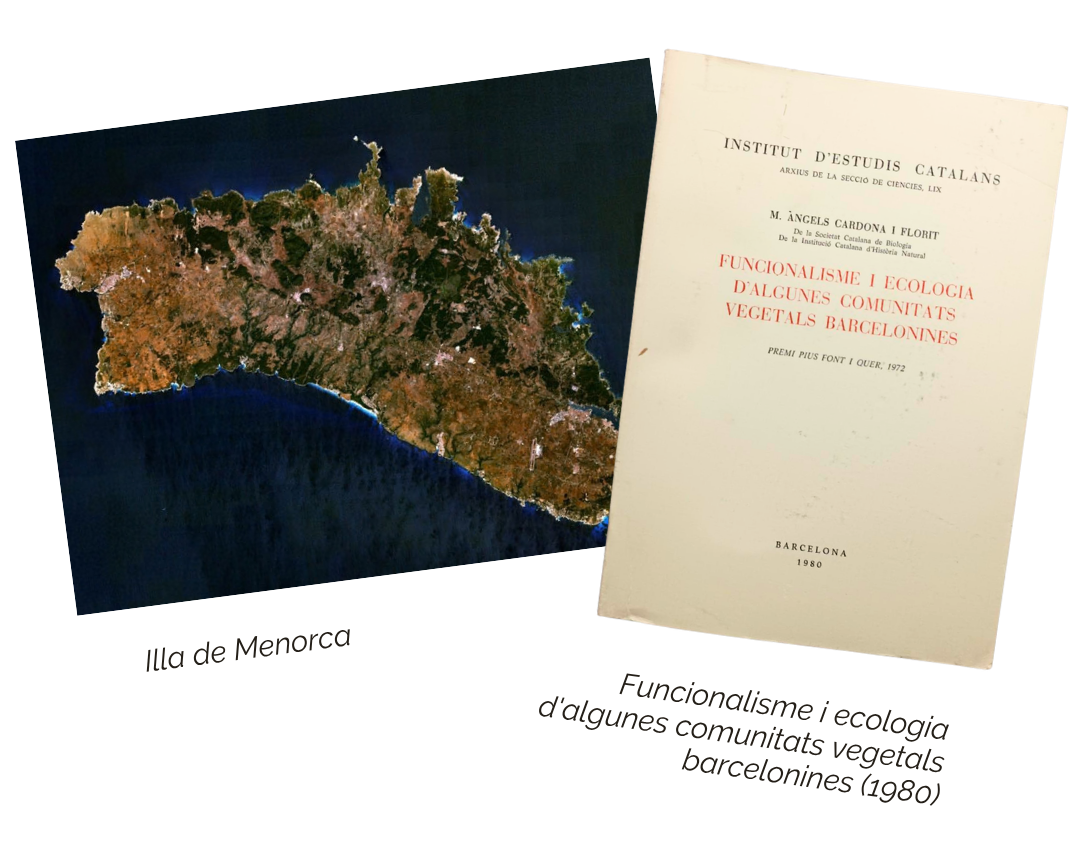
With her thesis, entitled Funcionalisme i ecologia d’algunes comunitats vegetals barcelonines (Functionalism and Ecology of Certain Plant Communities in the Barcelona Area), she opened up a new line of geobotanical research in our country, which required considerable methodological and scientific adaptation. She obtained her doctorate in 1972 and received the Pius Font i Quer Prize from the Institut d’Estudis Catalans that same year.
Inquisitive and keen on innovation, she found in cytotaxonomy — the branch of biology concerned with the relationships and classification of organisms through the study of chromosomes — a field that combined her botanical expertise with her interest in genetics.
She always maintained strong ties with Menorca. She studied the flora of the Balearic Islands, particularly that of Menorca and its endemic species. Her sensitivity to environmental issues led her to adopt environmentalist positions and speak out against the destruction of nature. The following words, published in a letter she wrote to Diari de Menorca in 1980, are a declaration of principles:
“My profession — I am a botanist — has made me love this land of mine even more, and in a different way, and I will defend it time and again, even though I believe that few of those who ought to listen to me will pay any attention.”
Many of her studies on Menorca’s vegetation were used a few years later to support the Natural Areas Law and the declaration of her beloved island as a Biosphere Reserve.
In fragile health, she died in Barcelona at Christmas in 1991, aged just 51.
At Marimurtra, the path leading from the entrance to the third garden to Goethe Square has been named after her in recognition of her work.